
Landon Kummer
CEO
Leads Aphelion business operations, outreach, and algorithms. He has developed mathematical algorithms for competitive robotics.


Lighter steering systems enabling lower-cost satellites
Every satellite manufacturer must reduce size, weight, and power (SWaP) to decrease cost and increase range. With excess SWaP, there must be more fuel, structural support, solar panels. Every excess kilogram adds about $25,000. With the steering system being one of the heaviest subsystems, it's of critical importance to reduce SWaP in this area. That's where Aphelion comes in.
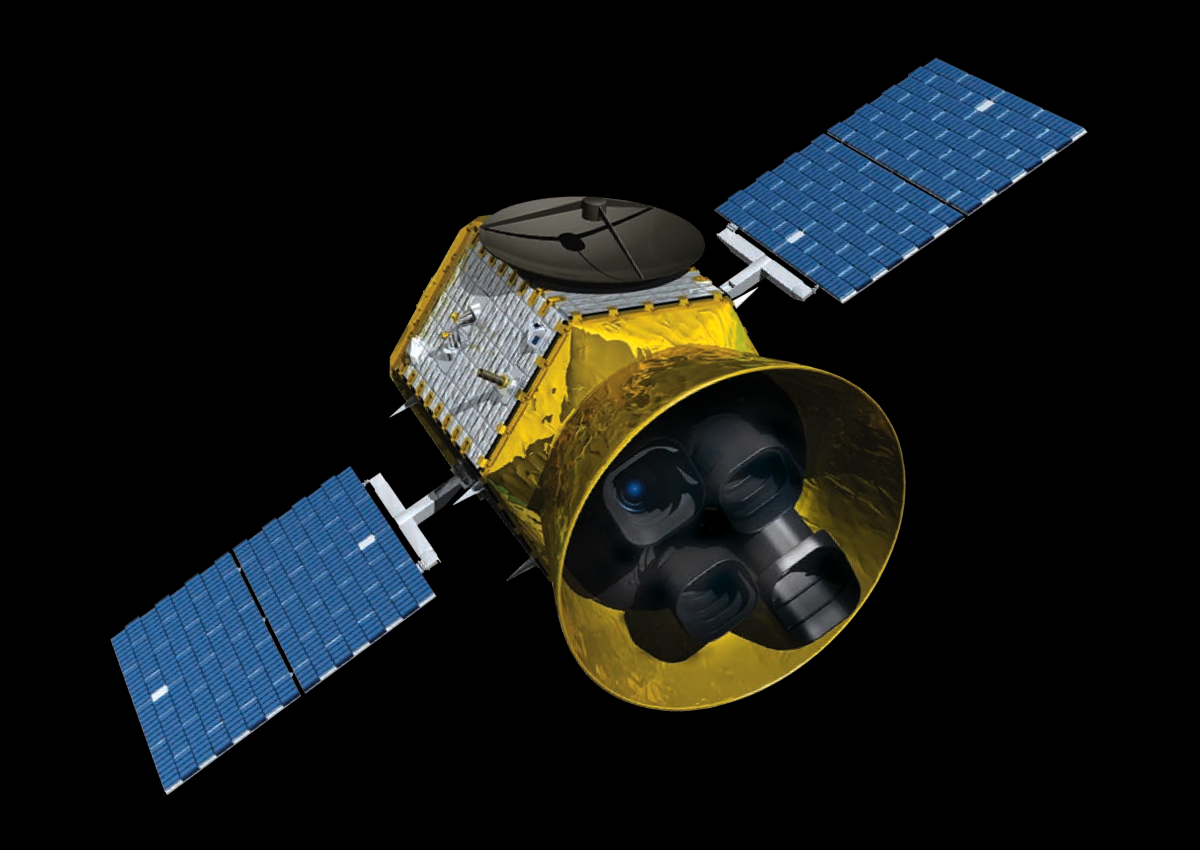
Aphelion is targeting satellites that use ion thrusters to move.
Revolutionary spherical motor technology delivers unprecedented improvements in satellite control systems when compared to conventional small satellite electric propulsion pointing mechanisms.
Aphelion proposes an intriguing concept, offering a lighter, less expensive alternative to traditional steering mechanisms for spacecraft. The aerospace industry values these system characteristics, and the market demand is certainly undeniable.
CEO
Leads Aphelion business operations, outreach, and algorithms. He has developed mathematical algorithms for competitive robotics.
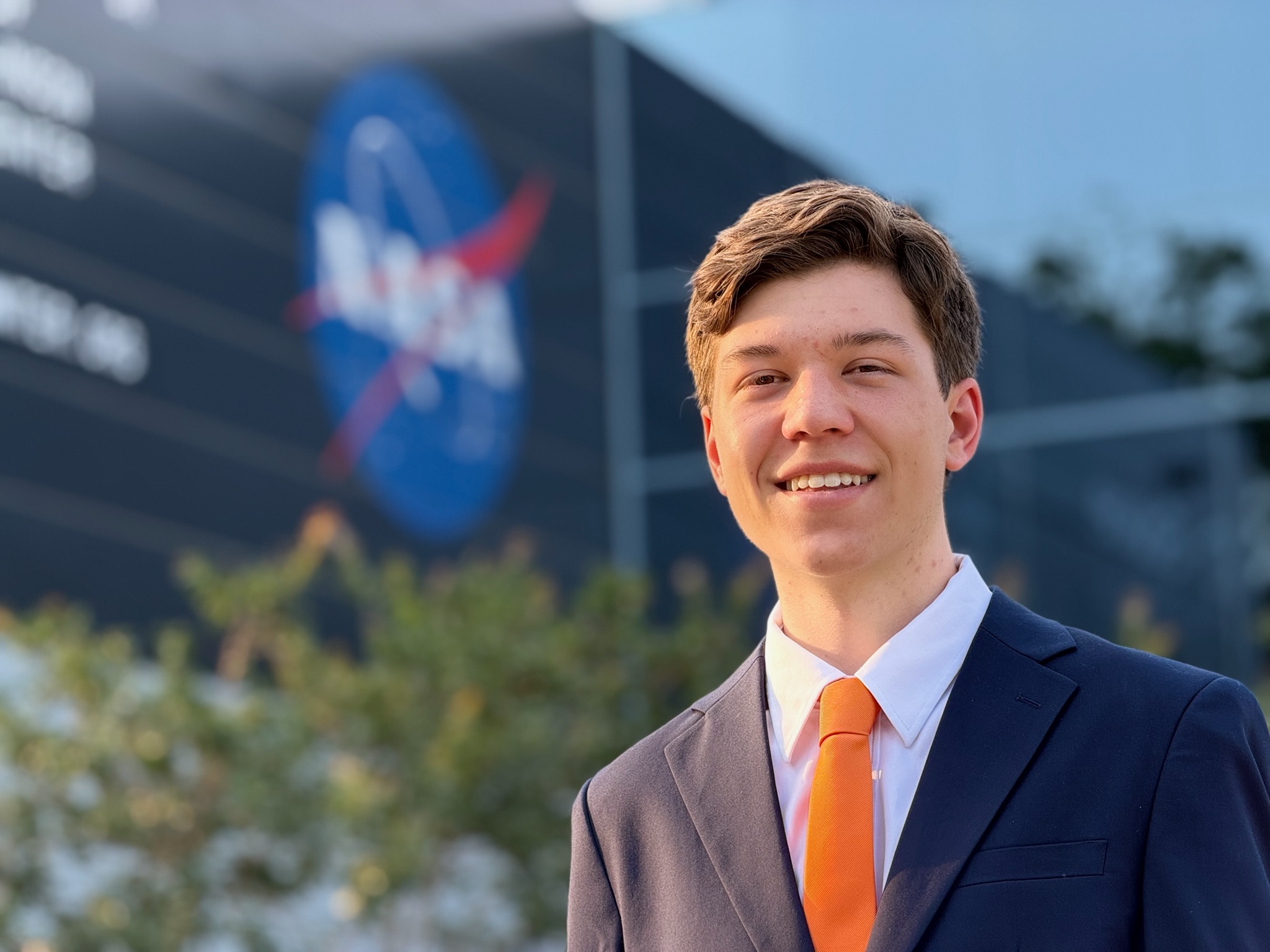
Mechanical
Designs the spherical motor CAD and mechanical architecture. He has extensive experience leading world-class competitive robotics teams.
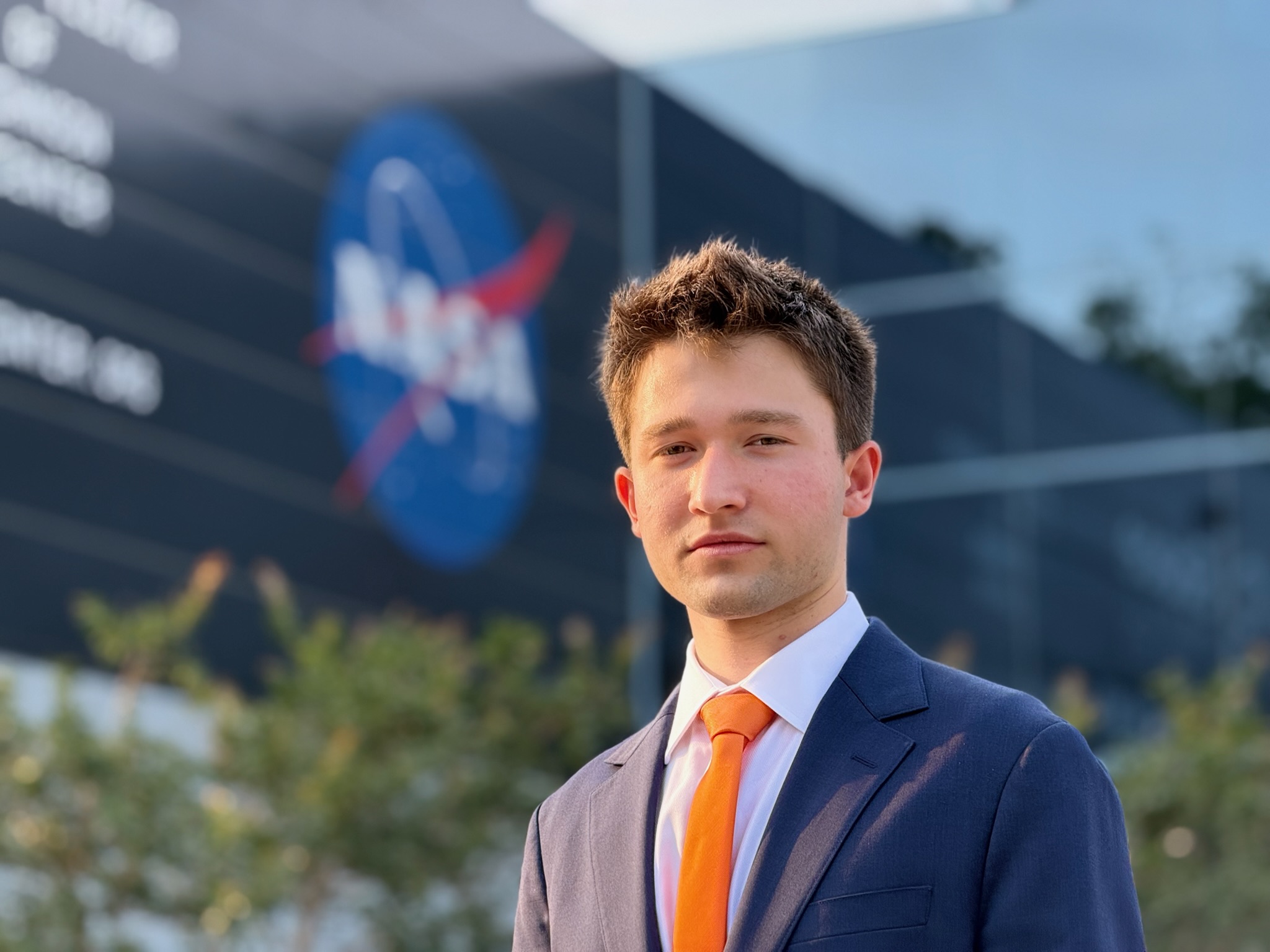
Systems
Builds Aphelion's embedded systems, algorithms, and website. He has experience in and autonomous systems and app development.